
Ansiedade de separação
Fearful and Anxious Dog: How to Help
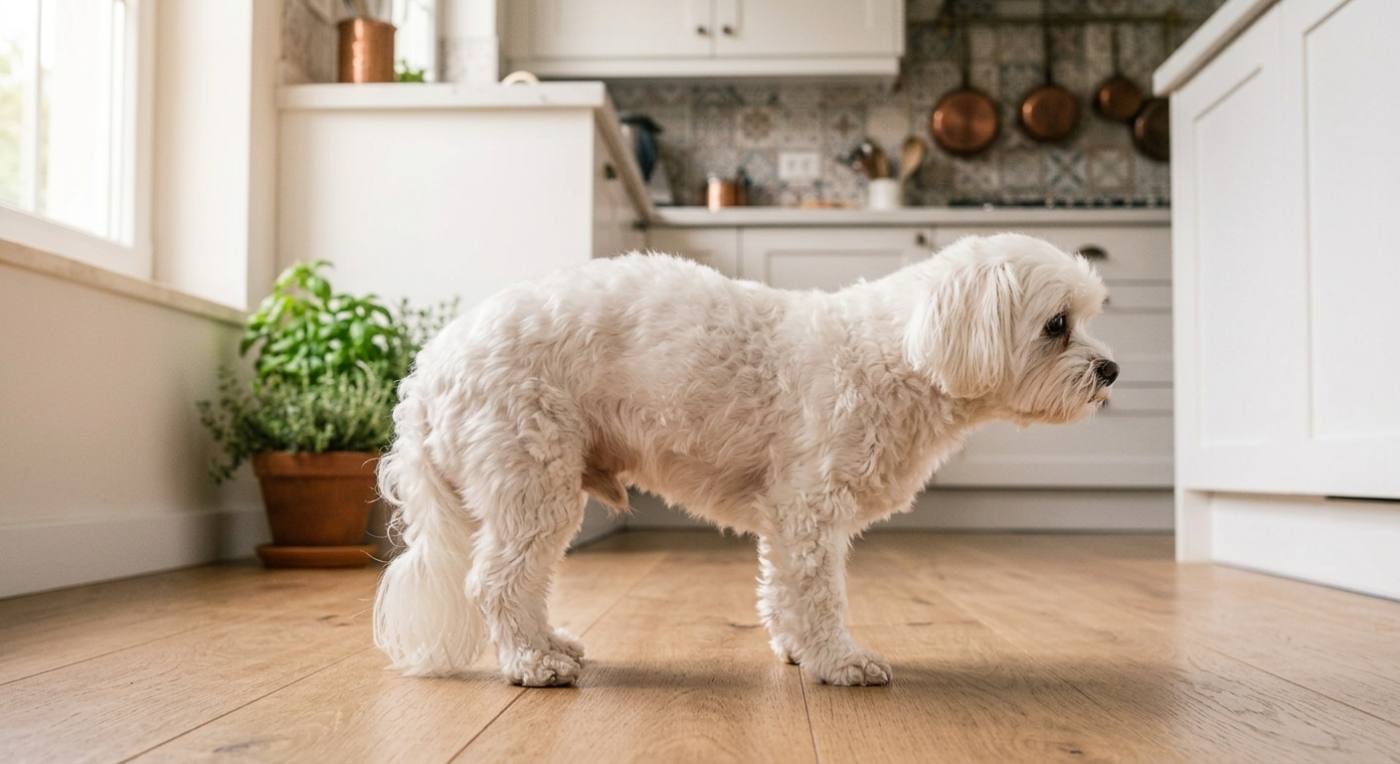
A fearful dog is not a “weak” or “spoiled” dog — it is a dog whose brain reads the world as more threatening than it is, and which needs help to learn it is safe. Fear can show itself in a thousand ways: crouching, trembling, fleeing, hiding, refusing to walk, or — what many people do not associate with fear — barking and attacking. Helping a fearful dog is not “making it face its fears”; it is building confidence in small steps, at the dog's pace — as I like to put it, finding pleasure inside the zone of discomfort.
How fear shows itself (not always obvious). Fear has two faces, and the second one fools many people. Passive fear: crouching, trembling, ears and tail down, hiding, fleeing, freezing, refusing food, walking low to the ground. Active fear: barking, growling, lunging, biting. Many “aggressive” or “reactive” dogs are, deep down, frightened dogs that learned the best defence is attack. Recognising that aggression is often fear in disguise changes the whole approach — because you do not punish a dog for being afraid.
Signs of a fearful dog: a constant state of alert and difficulty relaxing; startling at noises, movement or anything new; avoiding people, other dogs, objects or places; drooling, panting, trembling, pacing.
Why a dog is fearful: lack of socialisation in the critical puppy window, up to around 16 weeks — the most common cause, where the dog never learned the world is safe; genetics and temperament, because some dogs are born more sensitive; a bad experience that created a lasting association; lack of positive experiences, common in kennel dogs or dogs with a past of deprivation; and pain or a health problem, which lowers the tolerance threshold — with a sudden change, the vet comes first.
How to help a fearful dog. The central principle: never force, never go past the fear threshold. Pushing a frightened dog towards what scares it usually makes everything worse. It is built the other way round: safety and predictability, because a stable routine and a safe space lower baseline anxiety; desensitisation, exposing the dog to what scares it at an intensity and distance it tolerates, increasing slowly; counter-conditioning, pairing the trigger with something good to change the emotion; and reinforcing courage, never punishing fear, rewarding every small brave step. And, as in everything I do, the owner is part of the plan: a calm, predictable owner is the greatest source of safety for a fearful dog.
Mistakes that make fear worse: forcing the dog to face what it fears, which makes things worse and can create defensive aggression; punishing fear signals such as growling or fleeing, which teaches the dog not to warn and destroys its trust in you; excessive, dramatic pity, which does not “reinforce” the fear but does tell the dog there really is reason for alarm; and being in a hurry, when confidence is built at the dog's pace, not ours.
Frequently asked questions. Can a fearful dog be cured? Most fearful dogs gain a great deal of confidence with the right work; total “cure” depends on the cause and the temperament, but a much calmer, more functional life is a realistic goal. Is comforting my dog when it is afraid bad? No. Giving safety to a frightened dog does not reinforce fear; what harms is forcing it to face the trigger. My dog is fearful and sometimes aggressive — are they different things? Often they are the same thing: defensive aggression driven by fear. Why did my adult dog become fearful? It can be a socialisation gap only now showing, a bad experience, or a medical cause; sudden changes always justify a vet visit.
Need help with a fearful or anxious dog? If your dog lives frightened or on alert and lives in the Greater Lisbon area, Cascais, Oeiras — or needs online guidance — the first step is a 360º Assessment to understand the cause and build a plan at your dog's pace.
Need help with your dog? André Alves works at home across Greater Lisbon and online worldwide.